
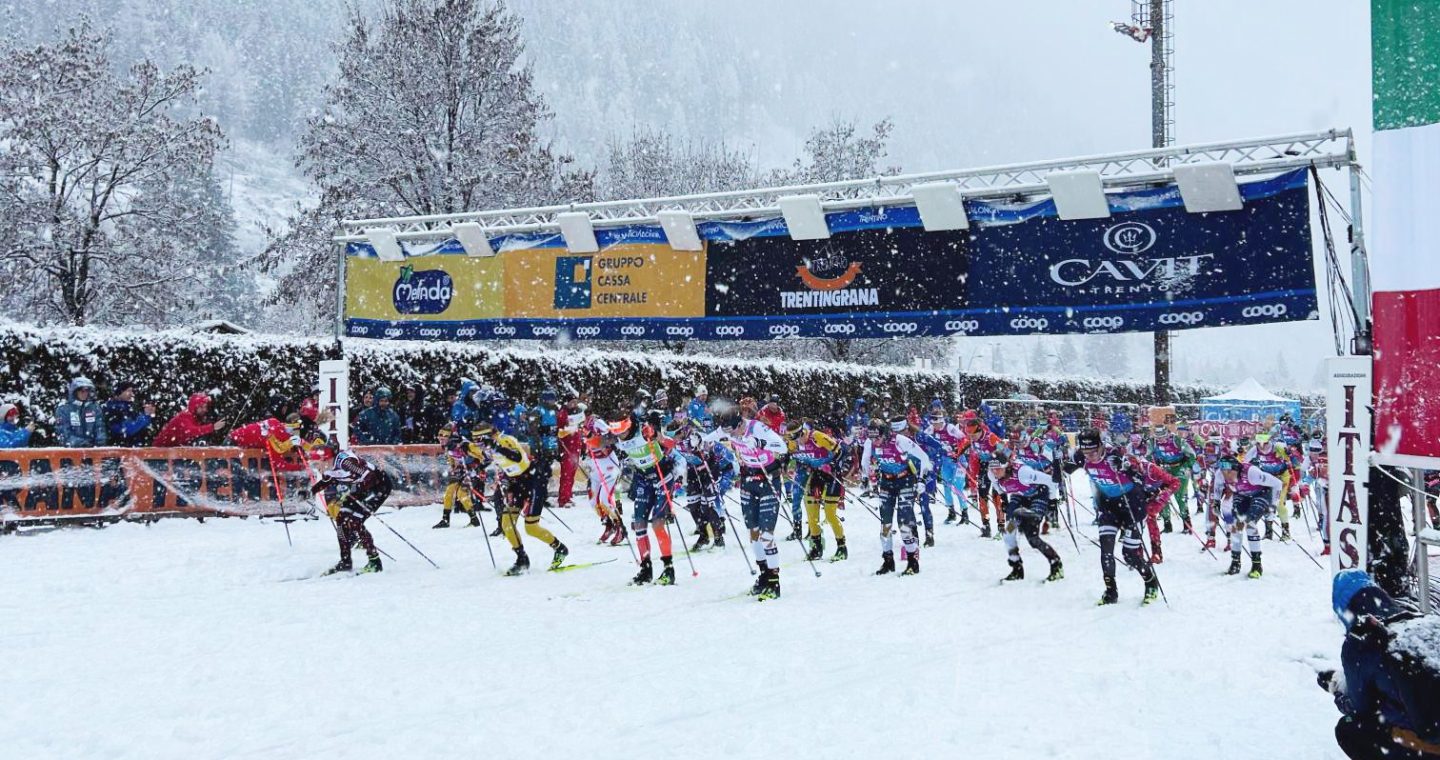
Marcialonga 2026: Timing at One of the Toughest Ski Races
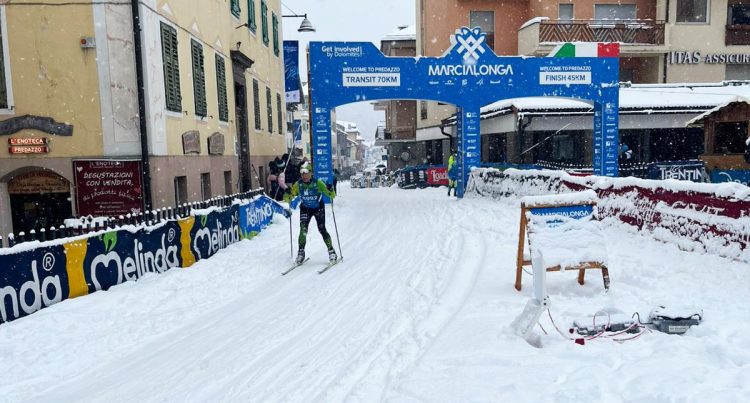
At Marcialonga 2026, one of the world’s most iconic long-distance cross-country ski races, delivering accurate and reliable timing was critical. With around 7,000 athletes competing in Italy’s Fiemme and Fassa Valleys, our Swiss partner Datasport ensured seamless timing across the 70 km and 45 km races.
An event of this scale, set against challenging winter conditions, demands robust technology and experienced execution. Datasport brought its extensive expertise in large-scale endurance and winter sports events to guarantee dependable performance throughout the course, providing athletes and organisers with precise, trustworthy results from start to finish. We spoke with Raffael Matthys, Project Manager of Marcialonga at Datasport, who answered some of our questions about delivering timing at this iconic event.
Hybrid Timing Setup for Elite and Mass Participation
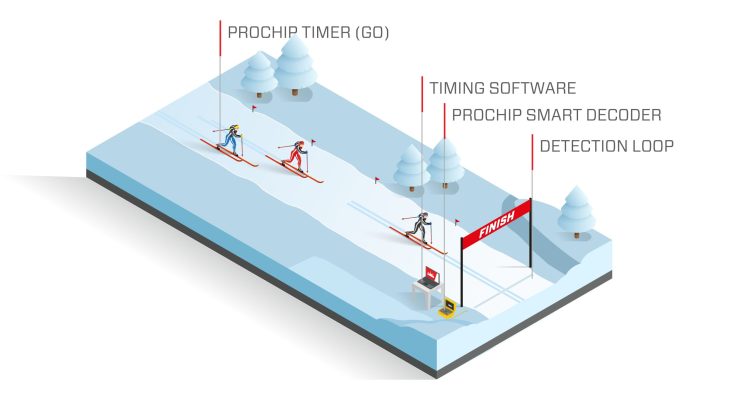
At Marcialonga, Datasport used ProChip technology for the elite Ski Classics field, where close finishes and sprint situations demand the highest possible accuracy. Ground loops were installed directly in the snow, and elite athletes wore ProChips on both ankles.
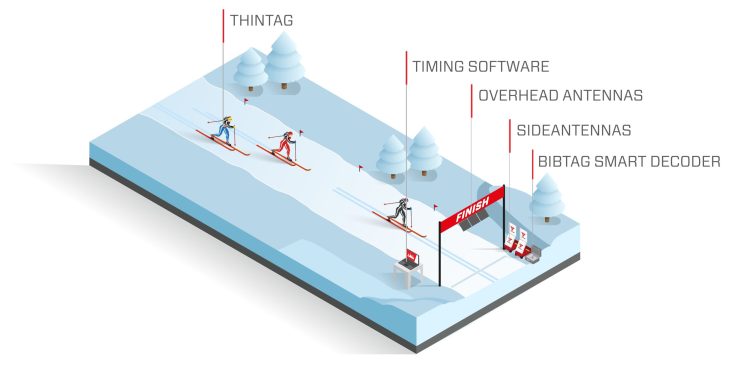
For the remaining participants, BibTag technology was deployed, using overhead and side antennas along the course. ThinTags were attached to the back of bib numbers, with additional backup chips on the front to maximize reliability.
Raffael Mathys, project manager at Datasport and responsible for timing operations at Marcialonga, explains: “For elite skiing, accuracy is non-negotiable. ProChip gives us the precision we need in sprint finishes, while BibTag offers a cost-efficient and highly reliable solution for the mass field.”
In total, Datasport operated ten timing lines across the course, , including full backup systems at critical points such as the start, finish, and Canazei, the northernmost turnaround point of the race before skiers head back down the valley.
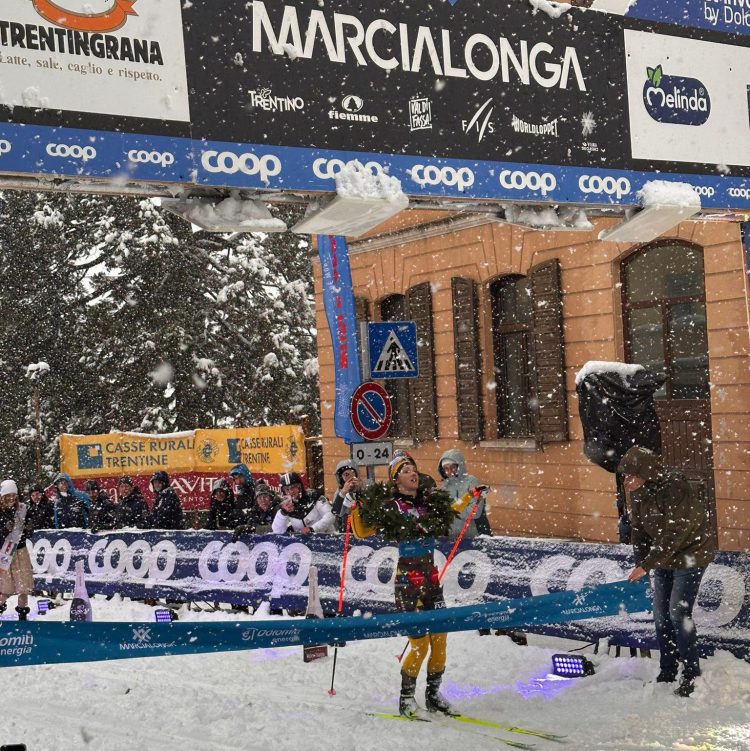
Overcoming the Challenges of a Long-Distance Winter Race
Timing Marcialonga presents unique challenges. The course stretches across multiple locations, exposed to harsh winter conditions, with complex logistics and strict technical requirements from both the organizer and Ski Classics.
“The biggest challenge was the limited preparation time and the complexity of the course,” says Raffael Mathys. “We had to quickly understand every technical and logistical detail and turn that into a reliable timing setup.”
Close coordination with the organizing committee, detailed material planning, and robust backup strategies were key to delivering a successful event.
Reliable Performance Under Pressure
Despite the demanding conditions, the MYLAPS system performed extremely well throughout the race.
“Events like Marcialonga require timing solutions you can fully trust,” Raffael notes. “Overall, the MYLAPS setup proved to be highly dependable, even under tough winter conditions.”
Timing as the Backbone of the Event
For an event of Marcialonga’s scale, timing is far more than just results. Live timing feeds support broadcasters, commentators, organizers, and thousands of athletes and spectators following the race in real time.
“Timing data is the backbone of the entire event.”
“From elite rankings decided by fractions of a second to live data for media and spectators, everything depends on stable and accurate timing” says Raffael.
With MYLAPS technology, Datasport successfully delivered the precision, reliability, and confidence required for one of the world’s most prestigious cross-country skiing events.


Raffael Matthys, Project Manager of Marcialonga at Datasport