
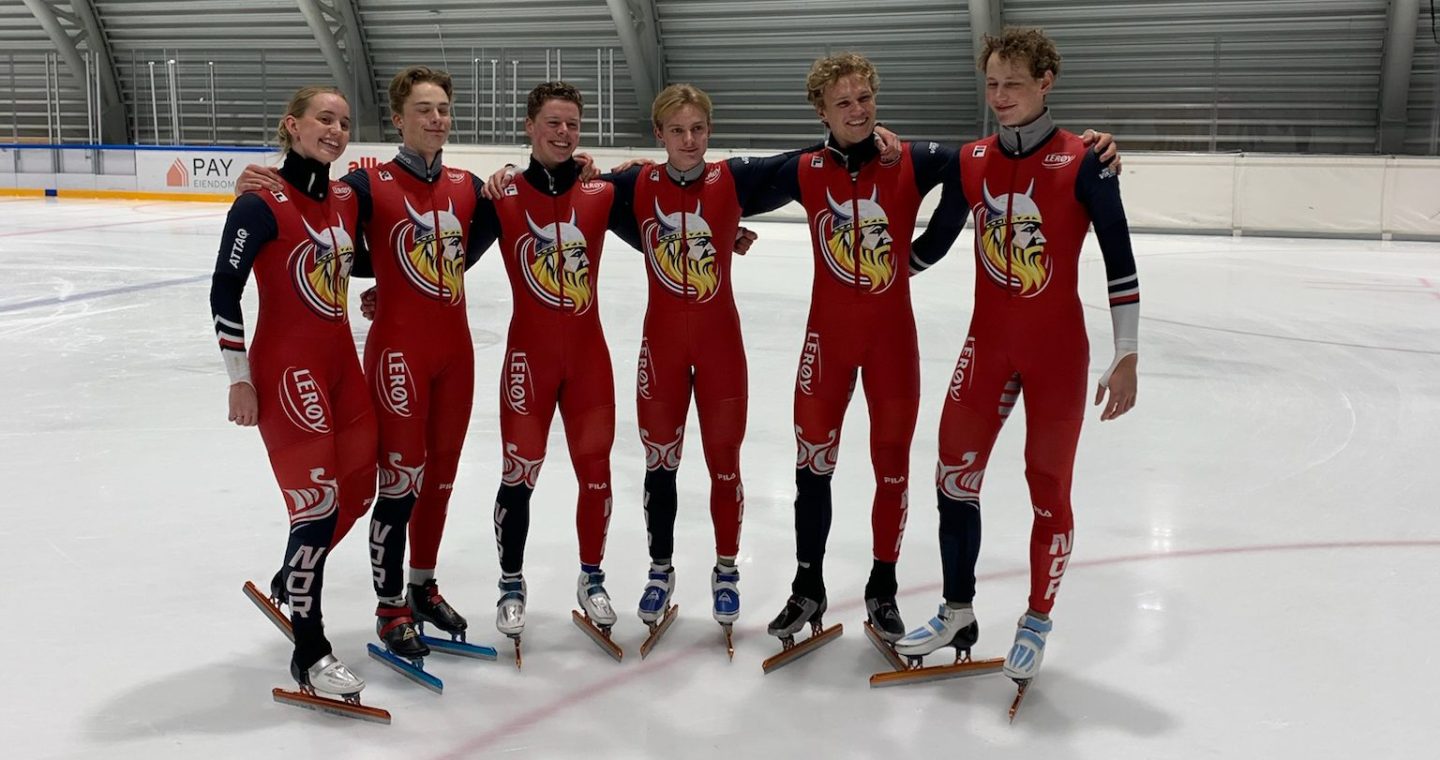
How ProChip Drives Elite Performance for the Norwegian Skating Federation
In speed skating, small details can make a big difference. This case study looks at how the Norwegian Skating Federation uses MYLAPS ProChip to track performance, support day-to-day training, and help athletes prepare for major competitions with confidence.
For over 10 years, MYLAPS has been an integral part of Norwegian speed skating, helping coaches and athletes track performance across both long track and short track disciplines. Petter Andersen, Development & Sports Director for the Norwegian Skating Federation and a former Olympic speed skater, oversees athlete development from grassroots programs through to professional levels in Norway. As a member of the senior national team from 1994 to 2006, Andersen competed at the Olympic Games in Salt Lake City and Torino, achieving a 7th-place finish in the 1500 m in Torino, alongside a World Championship bronze medal.
He explains that “Having accurate data makes it easier to plan and optimize training at both elite and development levels. We can see how athletes respond to sessions, whether pacing is correct, and how training intensity affects performance.”
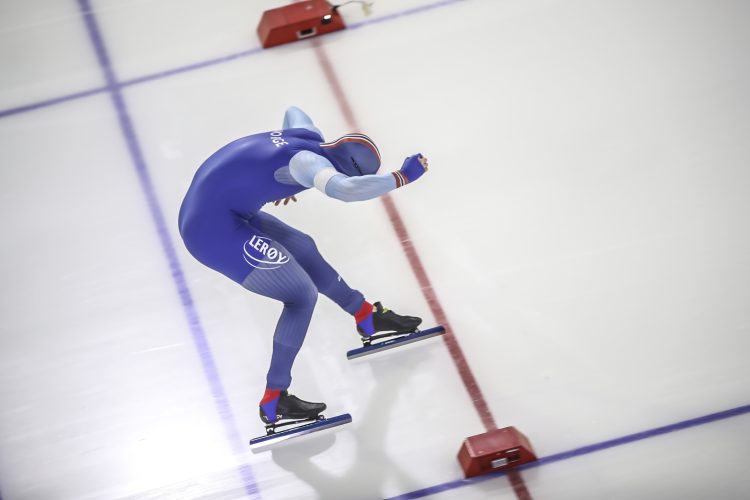
MYLAPS timing systems are used across multiple venues in Norway, including outdoor 400-meter tracks and indoor short track rinks.
“MYLAPS has been part of our skating environments for a long time, across multiple tracks and venues,” Andersen notes. “It allows us to maintain consistency in training and competition data, even when facilities are renovated or relocated. That continuity is crucial for long-term athlete development.”
Accurate Performance Without Power Meters
Speed skating presents a unique challenge: unlike cycling, power output cannot be measured directly on the ice. Coaches must rely on speed and lap data to guide athlete development.
Andersen emphasizes that “In skating, speed is our equivalent of power data, and MYLAPS gives us accurate information we can trust. We can make real decisions based on facts, not just feeling or intuition, which is essential at the elite level.”
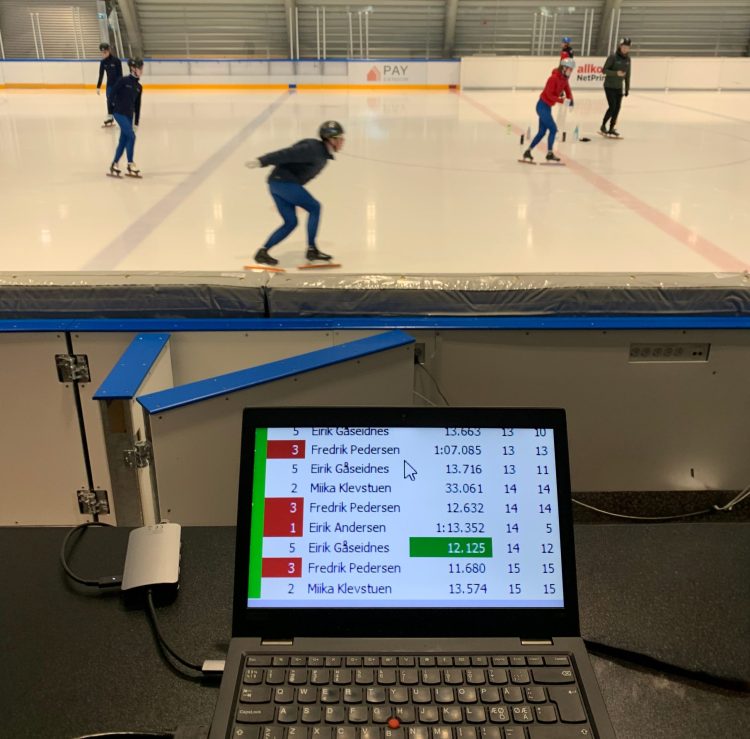
He continues: “During training sessions, we monitor lap times and sector times live, but also review data afterward. Athletes sometimes borrow sensors themselves to better understand their pacing and effort. It’s not just about competition; it’s about teaching them to be self-aware and consistent.”
Optimizing Training and Race Strategies
Coaches rely on MYLAPS not just for races, but for the daily grind of elite training. Andersen explains: “Having precise lap and sector times helps us structure training sessions properly. We can see if an athlete is holding the right pace, where they slow down, and how different drills affect performance. Without this data, it would be much harder to make informed adjustments.”
He also highlights the balance between transparency and privacy for athletes: “Some athletes prefer to keep their data offline to avoid sharing with competitors, but even in those cases, we can still use the information to guide training. MYLAPS gives us that flexibility, which is very important in high-level sport.”
Flexible Across Multiple Venues
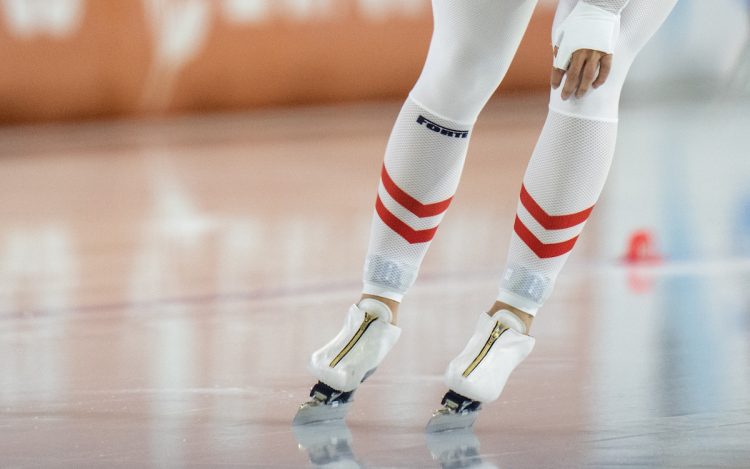
The Norwegian Skating Federation operates in a variety of environments, each with its own challenges. Outdoor ovals are exposed to the elements, while indoor rinks present a more controlled but sometimes crowded setting. Andersen explains that “We need a system that is flexible and reliable across all venues. When a rink is renovated or a new training hall opens, we move the MYLAPS system, recalibrate it, and can immediately continue capturing the same quality of data.”
At Valle Hovin, a newly renovated facility, MYLAPS installed a system with five timing loops, enabling more detailed measurement of athlete performance. Andersen adds, “This setup allows us to combine transponder data with heart rate and speed metrics, giving us a much more complete picture of training intensity and athlete response.”
Preparing for Major Competitions
As athletes gear up for the season ahead, the stakes are even higher, and every fraction of a second matters. Andersen reflects: “When we’re preparing for major competitions, timing data becomes indispensable. It helps us fine-tune pacing strategies, optimize recovery, and simulate race conditions. At the highest level, you can’t afford to leave anything to chance, and ProChip allows us to make evidence-based decisions.”
He continues: “We’ve seen how small adjustments in training intensity or lap pacing can make a real difference in performance. That’s why consistent, accurate timing data is such a game-changer for our athletes.”
Looking Ahead
While the hardware remains reliable, Andersen sees opportunities to expand the role of MYLAPS beyond basic timing: “I’m excited about combining timing data with physiological metrics like heart rate and GPS-based speed data. That integration could unlock even deeper insights into how athletes respond to training and recovery, which will be essential for developing future champions.”
He adds: “We also look forward to better data visualization and software integration. The technology is evolving quickly, and having a partner like MYLAPS who understands elite sport and can adapt with us is crucial.”
From everyday training to race-day preparation, MYLAPS gives Norwegian speed skaters the edge they need to perform at their best.